Tuesday, 3 July 2012

Nepal to the rescue!


For neighbouring countries that share a land border, it is surprising just how quickly you see the difference between India and Nepal. At most of the land borders we have crossed so far on this trip, it may take an hour or 2 to notice any real difference, but in Nepal it took us all of 50 yards to breathe a huge sigh of relief.

On the India side of the border are the open sewers, the copious litter in the streets and the only game in sight being played is cricket. Once the border is crossed however there is an immediate difference. The number of people in the streets is significantly reduced, there is less litter, little or no foul smelling sewers and not a cricket bat to be seen.

Rather quickly after entering the country though, we were given the opportunity to experience a proper Nepali monsoon storm. Making our way in the general direction of Chitwan we were subjected to a 90 minute downpour of rain so strong that it was almost impossible at times to see out from the truck. A lot of the locals are naturally very glad for the monsoon to arrive, as it is the main rain of the year that allows their crops to grow. A lot of the hillsides in both India and Nepal are terraced for planting crops, so that the water does not run away too quickly.

That night we found a small clearing in the woods not too far from the main road, which was ideal for what would turn out to be our last camping session until we get to Australia (if this sentence does not make sense then please see the post before last regarding the Tibet situation). Around 3am that night we were treated to a second instalment of the monsoon, which lasted round until breakfast at around 6.30am. By this time our lovely campsite had turned into somewhat of a quagmire, and by the time we left many people and their tents were covered in the mud!

The view from our campsite in the forest

The next morning we headed on into Chitwan where we were staying at the wonderful Hotel Monalisa. As far as the hotels on our trip have gone, neither of us can remember staying in a hotel we enjoyed more. The rooms are clean and modern, while outside you are hardly any distance away from the boundary of Chitwan National Park. Also on site is an organic restaurant, situated amongst the vegetable gardens where they grow all of their own produce. The area is very quiet, and the ideal place to relax while listening to the birdsong in the very colourful garden. It was here that my Birthday adventures would also take place, which you can read about a few entries ago.


After the enjoyment of our time in Chitwan, we made the journey up to Pokhara which is a touristy but yet enjoyable city in the centre of the country. The area of the city in which we stayed was located next to a huge lake, and the streets are lined with a mixture of wonderful restaurants, outdoor equipment and activity shops as well as shops offering all of the local crafts and trades. For the amount of tourists there are here, it is still surprisingly easy to find an area to relax and enjoy your surroundings. The other major surprise is the level of respect that you are given by the locals in comparison to the hell of India. Most people here just like to say hello and chat to you, and those that do try to sell you something that you do not want or need are nearly always appeased by a single “no”. Most of the will even then wish you a good day afterwards!

While in Pokhara we decided to rent a couple of kayaks and a boat to head out onto the lake with. Vicky opted for a kayak, while I opted to help row the heavy wooden boat that contained myself, Jay, Laura and Janet (wow that was hard work!). We spent around an hour and a quarter rowing across to a cove on the far side of the lake, before resting and making the return journey (against the waves being pushed in by the wind!).

Vicky gets paddling in the kayak

I think we were both a little sad to be leaving Pokhara after our 3 days there, but it was time for our final truck journey before we were forced to part from it for good. 6 hours later we arrived in the capital city of Nepal, Kathmandu (or dog-woman-don’t as Derrick likes to call it). Unsurprisingly Kathmandu suffers from the same problems as most capital cities; it is noisier, busier and more polluted than any of the other places we have visited in Nepal so far. That said, I have still enjoyed it more than a lot of India!

From this point in the trip we are scheduled to have a 2 week break to allow everybody, and especially Polly doing all of the organising and Adam the driving, a break. During these 2 weeks we are free to go wherever and do whatever we like, and so we decided to start the break in style with a 2 day white water rafting journey down the River Setti. Fast flowing deep water is not a great love of mine, and so I was feeling pretty damn scared to see some of the waves in the river as our bus wound it’s way through the hills to the drop off point. As a precaution I decided on my maroon coloured underwear for the actual rafting itself!

Within 10 minutes of boarding the raft though pretty much all of the fear and reservations were gone as our bouncy and wave soaked journey down the river really got going. In fact at one point I was even heard saying that the “calm bits were overrated and that we need more of the rougher stuff”! Who would have thought?

Toby and I with a few beers by the guides makeshift canopy

The scenery from the boat was incredible, and was a completely different perspective from the roads that we had travelled on. For the most part the river was not next to a road, and so you got the feeling of it just being you, the river and the hills. We moored up in a delightful little spot where there was a small beach area along with a shelter for the guides to cook under and pitch the tents around. We were spoilt by the guide’s hospitality as they wouldn’t let us lift a finger, as they brought us tea / coffee with popcorn, and prepared some lovely cooked food for us also. We had a great view of the hills, and it was mesmerising to watch the sky as a storm rolled in over the top of them.

Storm clouds rolling in over the hills towards our camp

The next morning we continued our journey down the river, with the rapids getting even more active than the day before. As it is monsoon season here, the water levels are higher than normal and therefore the speed of our trip was faster than it would normally be. When the monsoon is really set in the river will be higher still, and the difficulty grading will be raised accordingly. When we reached the ending point of the journey our guides very kindly cooked us some more very tasty lunch, before they packed us onto a bus in whichever direction we chose to go. Vicky, Jay and I all decided on Chitwan as our destination, while Toby decided to head back to Kathmandu. When the bus to Chitwan arrived however there was a problem….it was completely full! After a brief discussion there was only one course of action that could be taken…we would have to ride on the roof J Although the metal roof rack is not going to win any prizes for comfort, it did add a new dynamic of fun to the journey, as well as being an amusing tale to tell our friends at the same time.

Riding on the roof of the bus

Safely back in Chitwan we decided that another visit to Hotel Monalisa was in order, and the owner was there to meet us with open arms. He is an incredibly kind man, and does a lot to promote improvement in the local community through education. In fact Laura, Jay, Emily and Steph have all gone to volunteer with him for a week and do their bit for the community. One thing that the owner did let us do during our second stay was to take a short ride around the block on his camels (yes they were actually camels this time thank you!). It was a very interesting experience, especially as mine was determined to eat every bit of vegetation in sight and nearly turfing me off in the process!

View from my camel as we head down the road

If there is one thing that stands out for me about Nepal in comparison to India, it is that Nepal seems much more of a “doing” place while India is all about the “seeing” and the “not being robbed blind by touts”. Already in these first 10 days we have done so many things, and actually felt like we have physically engaged with the country. I think this has been a large percentage of the reason that we have enjoyed the country that much more.

We have today taken a bus back up to Pokhara, where we intend to spend another 4-5 days. Who knows what we will get up to while we are back there? Come back soon to find out!

Monday, 2 July 2012

Vicky's shopping blog


I thought I should finally write a blog entry now we have been on the road for 3 months. As many of you know and saw I might have done a little bit a research and shopping for this trip. Just a little mind you J

I decided that I better tell you all what my good, bad and couldn’t do without items have turned out to be.

#1 most useful security item – Leg holster for the passports/money. This has been invaluable as most pickpockets are looking for neck and waist wallets. It also helps because it can’t been seen beneath your clothes and doesn’t make me feel fat or overheated. 

Runner up – TSA combination lock (plus chain from the local bazaar). This has been really useful as it enables us to lock our bags and our hotel rooms. Most hotels in India give you a key padlock so carrying your own enables you to better secure the room or lock you bag to something. However its best not to, and Chris did, try and take a very heavy duty chain through airport security in Iran in his hand luggage.

Most useless item – none yet.

#1 most useful clothing item –Rohan superlight Silver Knickers. Expensive but worth every penny. This was true impulse buy on a bad day which has made day to day life much easier. I had read about these knickers but couldn’t really justify the cost. They are as nice as travel knickers can be, are great for exercise, super comfortable (even in the heat), durable and dry so fast you can wash them the night before and they are dry by morning. And yes, even dan has been introduced to the world of hand washing, its turns out hes very good at it.

Runner up – Thermals. Both my wonderful top from Iceland (thanks Siobhan and Fi) and Dan’s Tog24 top were essential items in the freezing temperature.

*Cheating I know but there is also a second most useful item that I didn’t buy. My turquoise pashmina, which has made many an appearances in the Iran photos. This has been super useful as stand in towel, skirt, scarf, head covering, sheet, shade, top and more.

Most useless item – The dress I made. Sadly its only seen the light of day once. It was too cold, too hot, too revealing, never quite right so had been confined to the bottom of the bag.

#1 most useful electronic item – A tie between the netbook (HP dm1) and the big camera (Fujifilm finepix HSX20). We are loving the photos we are getting but the computer is very useful for backup, wifi and skype.

Runner up – Kindle. I’m a total convert to the electronic book (though I still love real books). It is so nice to be able to read on the truck and to carry around all the guidebooks in one place. The kindle also has the advantage of being able to be read one handed, useful when in hospital.

Most useless item – Filters for the camera. However, I think that when we get home we will use them more.

#1 most useful random item – Cheap Inflatable pillow. Useful in many circumstances.  

*Another cheat. Also not and item we brought but extremely useful – The humble jar lid. We use it to stand the central pole of the tent in to protect the floor of the tent and to allow us to stand it off centre without it slipping and collapsing the tent on us.

Runner up – Tiger balm. Essential for making the bites bearable.

Most useless item -  Shewee. Bought as a just in case but too much hassle. Nowadays (after laughing over this) an umbrella is much more useful. Nowhere in India seems to be rural so the minute we stop there tends to be a bit of a crowd and not much place to hide. Deserts are also much harder to go for a private pee in than you would think.

#1 Most useful camping item – Our tent (Shangri La 5 by go lite). We love it and it has earned the nickname on the truck of “the palace”.

Runner up – Pretzel head torches. So useful, even in hotels when they have frequent power cuts. I would suggest an upgrade to one with a red setting as these attract less bugs when camping.

Most useless item – Cheap tent pegs. Totally useless, we upgraded to 12inch metal nails in Turkey and haven’t looked back. Fingers crossed no more getting out in a storm to repeg and pray it doesn’t fly away.

Other so far useless items Folding sink (have been able to use the trucks buckets for hand washing) , pocket shower (we are too lazy and we are all just being smelly together).

Other very useful items – Penknife, double silk liner, notebook, photos (printed ones of family and friends).

Biggest wish – We wished we had brought more GBP’s out with us as exchange rates are very good. Oh and maybe another pair of those Rohan knickers.

No one would guess that I like shopping :P

Thursday, 28 June 2012

Tibet struck off the list as big changes are rolled out...

Well the last 24 hours have certainly seen our trip turned on it's head somewhat. We received the news last night that it was not going to be possible for any of the group to receive a Tibetan visa, due to the ongoing problems in the country revolving around China and the Dali Lama.


For those of you who are unaware, the Chinese government actually control the issuing of visas for Tibet, although Tibet are adamant that they should be a country in their own right. The Dali Lama (as the country's spiritual leader) is associated with being the lead figure in Tibet's fight for independence and so the Chinese government, who want to retain control of China, are naturally against anybody showing any audience to the Dali Lama. As you may be aware, the Dali Lama was very recently in the UK to meet David Cameron, along with visiting several other western countries as well. The Chinese have as a backlash stopped accepting visa applications from citizens of those countries, leaving us high and dry with nowhere to go from Nepal (going through Bhutan is far too complicated and expensive to consider).


There are a couple of implications as a result of this. The first is having to pay extra to fly between Nepal and China, where we have chosen Beijing as the destination for the group to fly to. 
Note: As a plus point we will now see in China several things we wanted to see that we would have otherwise missed; The Great Wall, The Terracotta Warriors and the Giant Pandas.


The second implication is that the truck will be stranded in Nepal, as Adam, the only person who has the correct paperwork to drive the truck, is also British and will not be able to drive the truck through. Without the truck we will have to carry all of our bags and equipment all of the time (time to lighten the load I think!). Until we reach Australia we will not be able to camp anymore, and so will be using hostels and hotels the rest of the way. Along with this we will not be able to safely cook our own food any more, which means we have to rely on buying all our food everyday which heightens the risk of us getting ill as well as being more expensive. 


Finally, all of our travel now will have to be done on public transport, using buses, trains and ferries. No lockers to safely lock our bags away, so we will have to chain our bags to our seats and try not to fall asleep for too long!


However on the plus side the adventure carries on! In 2 days time we begin a 2 week break from travelling, where we will be stationed in Kathmandu. Check back soon for the first proper installment of our time so far in Nepal.

Monday, 25 June 2012

Birthday Blogging!

Since we set of back in April, a curious thought of mine has been wondering where I would be on my birthday and what I would be able to do. I was delighted to learn a few weeks ago, that should things go to schedule, the big day would fall shortly after we were due to arrive in Nepal.

So here we are on my Birthday in Chitwan, Nepal! Today has been a fantastic day as I got to spend the day with elephants :)

We started the day with a trek through the jungle in Chitwan National Park on elephant back. With four of us to a elephant we set off into the jungle for a 2 hour trek to see what wildlife we could find. Riding the elephants was a strange feeling, with their slow and lumbering action being comparable to being on a boat.

Toby attempting to get seated as some of the group prepare to set off

The first wildlife that we encountered were a few spotted deer in a clearing not too far into the jungle. It was amazing to see them stand their ground, and that they were not scared into fleeing by the presence of the giant elephants. I guess that the two are used to encountering each other as treks through the national park here are so common.

Spotted deer

As our ride continued we came across a fairly impressive sight; a wild rhino just waking from his morning sleep. To the untrained eye I thought I was looking at a bird standing on a rock, but the elephant "driver" was adamant that there was something more to be seen. As the elephant got closer, sure enough my "rock" began to move and it raised it's head out of the tuft of grass on which it was sleeping. On foot I'm sure I would have felt a lot more intimidated by the creature in front of us, but on the back of the elephant the rhino felt comparatively small and nonthreatening. 

The rhino, having been woken form his sleep

Leaving the now woken rhino behind, the elephants headed off down toward a couple of small rivers which we were able to wade through, spotting a few more people along the way. It was as we were climbing out of the second river that the eagle eyed driver spotted a crocodile basking near the far bank. Unfortunately I was not able to get a photo of it though as the elephant would not keep still enough!

During the rest of our ride we saw a few more deer, along with a couple of monkeys swinging their way through the treetops. The experience was fantastic, and certainly something I would like to do again in the future. Hopefully next time we will see one of the elusive tigers (one had been seen on the same ride 2 days earlier).

After a short rest we headed back down to the river at it's closest point to our hotel to wash the elephants. At first we were able to ride the elephants into the water (this time without a saddle) where they took great enjoyment in firing water over their heads at us, and soaking us to the skin. On command of the elephant guide she then knelt down in the water before tipping us off of her back and straight into the river! 

The elephant has a laugh at our expense. Great fun though!

We were able to do this a couple of times with different elephants, before the elephant laid down in the water and we were encouraged to go and throw water over it and rub it down with our hands. The elephants clearly love being in the water, which is considerably cooler than the air temperature, and they are very playful, returning the water we threw over them with a wave created by slamming their trunk down through the water. 

Washing the camel, although Jay looks like he's trying to hold it's head under!

The whole experience of the day was incredible, as you were really able to get up close and personal with these incredible creatures and really learn how smart they are and how graceful that they can be for their size. 

As birthdays go, I would have to say that this one was pretty special and one that I (and as the saying goes; the elephants) will never forget!

Friday, 22 June 2012

India...The concluding part!


Being back with the truck has been a huge psychological boost for the past week for both of us, but at the same time I am not able to say that it has improved our enjoyment of India too much. The biggest difference of course is not having to lug all of our large bags around with us all of the time, and constantly keep an eye on them while using public transport. Of course being able to cook clean, safe, and most of all familiar food is also a fantastic draw to the truck.

From Amritsar , where we were at the end of the last post, the truck travelled back to Delhi. Delhi was already familiar territory for most of us that had missed out on Pakistan, as it had been our point of arrival into the country.

Having ticked off both the India gate and the government buildings on our first visit to Delhi, we were left with 2 main sights that we wanted to see in the 3 days that we had available; The Red Fort and the Lotus Temple.

With the heat being much greater down in Delhi than it had been up in the mountains, we had set ourselves the target of visiting one site per day before heading back to the hotel to miss the main heat of the day. So during our first full day we made our way to the Red Fort, and unknowingly our first main disappointment. The entrance fee to the fort was the first bone of contention for me, as locals are required to pay 10 Rupees (around 12p) while foreign tourists must pay 250 Rupees (just over £3). Not a lot I am aware, but I am really not a fan of inequality on any level.

The Red Fort from where it can be best appreciated...outside!

The fort itself was not what we had expected. More of a “palace” than a fort, the red outer walls were filled with lots of smaller buildings built independently from the main structure, and a lot of those weren’t even open to the public. Areas where channels and pools of water should have been were bone dry, which sucked the atmosphere out of the site. In short, what was left was a bit of a bore and a mediocre morning out.

Our second day out and our trip to the Lotus Temple proved to be a lot more interesting. The temple itself was constructed in 1986 (it was a good year!) by the people of the Baha’i faith. As a religion the Baha’i believe that all of the world’s religions have the same god, and that they only differ due to the social requirements of the time that they were “born”. In my religious ignorance, I spent half an hour convinced that I was talking to some Buddhists before I spotted the error of my ways. When asked what I believe in, my not very constructive but genuinely honest answer was “I quite like football really”.

The Lotus Temple

The temple itself was very strikingly constructed in the shape of a lotus flower, but from the wrong angle it could easily be confused for a section of the Sydney Opera House. Inside the decoration was mostly plain, as the temple is more of a quiet place for people of any religion, rather than being decorated to pay homage to any one particular faith.

By this stage it was good  for me to be rediscovering real food after our illness, although Vicky was still struggling, and one of the main attractions of Delhi is that there is a huge range of restaurants and places to eat. India is billed as the most vegetarian friendly country in the world, and it certainly backs up that claim without any shadow of a doubt. In fact at least 50% of the restaurants you come across in the major cities are vegetarian only, a nice change from some of the struggles I’ve had finding vegetarian food elsewhere!

At this point in the journey, we picked up two more passengers to add to our merry band. Gabriel and Yara are both from Vienna, and decided to join the trip at this stage after the truck had been through Iran and Pakistan. Welcome both of you to the truck, and we both hope you enjoy your journey with us.

From Delhi, we continued our way East and headed to Mcleod Ganj. Being back up at a higher altitude was a pleasant experience, as naturally the temperature was around 10C lower than down on the plains.

The view from our room in Mcleod Gange. One of the better views you will get in a cheap hotel!

Mcleod Ganj is the home of the exiled Tibetan Government, and so seeing the Buddhist monks wandering the streets became a very common sight. The town is known for it’s spiritualist and relaxing qualities, with plenty of adverts for meditation and yoga classes being plastered on the walls. The reality for me though was that there was simply no place to relax or even hear yourself think there. The town was packed with tourists (both Indian escaping the heat of the plains as well as foreigners), and the traffic was exceptionally heavy. The first day that we arrived the Dali Lamah was in town, and that only added to the people that had flocked into the hills.

Anywhere in India that there is traffic means that there is also noise. The horn of a vehicle out here is used to signify that you are overtaking another vehicle as well as when you are angry or something is in the way, and when the road is crammed with everything from bicycle rickshaws to trucks there is never a moment when a horn is not blowing. Many of the motorcycles and scooters out here are fitted with car horns to give them that extra punch. As a result, headaches are a daily occurrence whenever you are near traffic.

No seats available! This is certainly one way to travel in the country with the 2nd largest population in the world.

With there being actually very little to do other than “find yourself” in the town, we spent most of the 3 days trying to improve our physical health. I unfortunately had a relapse, and struggled for 3 days with an intense pain in the right hand half of my stomach. 2 other members of the group also came down with the same mystery pain, and to this day none of the 3 of us actually know what was wrong!

Jaipur however was a turning point for us. In total I thought that the hotel there was the best one we have had since we stayed in the Raj’s Palace back in Mandi, with clean modern rooms and a great rooftop restaurant. The food here was excellent, and it was at this point that Vicky was really able to start eating properly again which was a huge relief. My stomach pain cured itself, and duly my appetite also returned.

The main feature that we visited while in Jaipur was the Amber Fort, and excellently it was everything that the Red Fort in Delhi was not. Situated on top of a large hill around 11km from our hotel, Vicky, David and I took an auto rickshaw (or tuk tuk) to the bottom of the hill, where elephant rides up the hill were available if you desired them. We decided to save our money and walk. During the rickshaw ride, the driver actually gave Vicky the opportunity to drive us while the roads were quiet, and she was ably capable (after some short instruction) of navigating us around a couple of obstacles while she drove for a few kilometres.

Elephant rides in front of the Amber Fort with David looking on

As a side note I will at this stage say that auto rickshaws are the most amusing and enjoyable way to get around the cities, even if there is always a slight feeling of peril while you are in them (in a funny way it adds to the enjoyment). They seem to have their own personality as the cheeky chappy of the streets as they dodge and weave while enjoying their fair share of near misses! Sometimes you forget that they only have 3 wheels with the aggressive cornering manoeuvres that the drivers pull. While the bicycle rickshaws are cheaper and more environmentally friendly (not friendly to the poor fellow that has to peddle us for half an hour in the 45C heat though) they are both slower and lacking in that certain entertainment factor.

Vicky takes the controls from the rickshaw driver

Getting back to the point, the Amber fort was actually a great example of 17th Century architecture that was used in it’s day as both a palace and a defence structure. Pretty much all of the structure was available to the public to explore, and we had excellent fun following the corridors, tunnels and stairs to see what we could find. From the open areas near the top of the fort, some great views down the hillside were available, looking out across the lake at the bottom of the hill.

The security guards in the fort however know how to make a bit of money on the side, by acting as impromptu tour guides for the more tucked away or hidden areas of the fort. They lead you into an area that you might not have explored, try and take your photo while you are there, and then hold out their hand for the donation to their back pocket that they would like from you. I’m guessing not too many people don’t give money to the man with the big rifle! You soon learn however that by refusing to follow them does not mean that you cannot explore the area by yourself, saving you a small charge on a frequent basis. We were left to laugh at the sign on the wall that says “please do not tip the staff”!

Vicky in the Amber Fort

Our time in Jaipur was over quicker than we would have liked it to have been, and sure enough we found ourselves on the road in the direction of Agra, famous of course for the Taj Mahal. During our drive there we decided to stop at Fatenpur Sikri, which is an abandoned city with a mosque and palace, and it has now of course been turned into a tourist attraction. Now throughout this journey we have never been far away from touts, beggars and salesmen (I will talk about those in greater depth later), but this one day in particular was simply unbelievable and unbearable at the same time. For the entire 2 hours that we were off of the bus, we were plagued by anybody and everybody that thought they could get some money out of us. People offering to drive you in their rickshaw, people wanting stupid amounts of money to act as your tour guide, people trying to sell you novelty pens and other gifts and of course the ones that just bluntly say “give me money”. I will be honest and say that by the end of the 2 hours I’m not quite sure how I didn’t completely lose it with somebody! Really it completely ruined the day, and neither of us were able to take any form of enjoyment from the buildings at all.

The entrance to the mosque at Fatenpur Sikri

I will at this point make a direct comparison with Iran. In Iran, you will have countless number of people offering to show you local areas or monuments and give you information about them. They do this because they are proud of their country and their heritage, and they want you to know more about it, and they are more than happy just to stand and talk to you. In India, plenty of people will also come and talk to you about their local areas and monuments, but they do it because they want to get something out of you and it is completely selfish. There are as far as I can see 2 reasons that this is likely: 1) Iran, although cheap to us, is actually a very well off country with only 3% of it’s population living below the national poverty line, and so comparatively people do not need the money. 2) Iran is by comparison starved of tourism, and it is still largely free from the greed and corruption that mass tourism can bring. India however is a country that attracts tourists from all over the world, and that unfortunately brings out the worst in people that have little or nothing.

It was at this very place that a man who claimed to work at the mosque “just to help people understand the dynamics of his religion” decided to explain why the temple that existed there was created, and to show me how it was built. He would repeatedly say to me “Do not worry, I will ask no money of you. I am a religious man and one of the 5 pillars of our religion is charity. I will ask no money”. Suddenly he offered to show me something else….his shop, where unsurprisingly he became a very aggressive salesman! After a long time and a lot of negotiations I bought a small item from him, but that apparently was not enough. As I turned to leave he grabbed me roughly by the wrist and tried to sell me 2 more items, even having the cheek to tell me that I must have spent a lot of money to come to India and that I would not miss a bit more money. Needless to say he got nothing else from us. Religious my backside!

The lengths that people will go to get money out here are outrageous. Many of the beggars on the streets are actually working for a syndicate, with the money that they beg actually going to a ringleader behind it all. Women who carry young children to use as a persuasive tool for you to give money for milk often do not even have a connection with that child, and they have been given the child as a prop. For those that cannot get cold hard cash, there are scams where beggars will ask for food and then sell the food you buy them back to the vender spitting the cost with the vender. Finally there is the hardest type to deal with mentally; those that mutilate their body and ask for money for medical care which of course they never seek. On one occasion we were confronted by a man who had clearly sliced the top of his foot off (the wound was far too perfect to be an accident), but you know that there is a high chance that he will only spend the money you give him on drugs with which there is a large problem here. It is a very sad state because you know that some of the people that approach you will be genuine, and it feels so alien not to give help and to remain so cynical, but you know that if you give to one person everybody else in that area will expect the same treatment.

The next day, feeling slightly calmer, we headed out early to visit the Taj Mahal before all of the tourists arrived. It is a shame that so many of the guidebooks and blogged reviews set the bar so high for India’s top (and most expensive) attraction, as it meant the reality of “the building that can’t fail to blow you off your feet” was that it was just “pretty impressive”. It goes without question that it is one of the most attractive buildings in the world, and the quality of it’s architecture is indeed superb, but it just lacked that feeling of being slapped around the face and saying “WOW!” that everybody claims is inevitable. The story behind the building is undeniably romantic though, with the King building the palace as a tomb for his favourite wife who died following the birth of their 14th child. Her burial chamber is the central feature to the building that was made with perfect symmetry (a fake mosque actually exists on the site to mirror the real mosque on the opposite side. Of course only one of them can be facing Mecca, and so that is the real mosque) A number of years later, the King’s body was actually laid to rest about 2 metres from the burial chamber of his wife.


Us at India's prized asset, the Taj Mahal

From Agra we were due to have a routine day of driving, stopping to camp in the wild, and then a further day driving to reach our final Indian destination, Varanasi. Things for the first time in the trip however didn’t quite go to plan…

After 8 hours of being on the road we finally spotted a good place to pull the truck over and camp for the night. As soon as we stopped the normal routine of cleaning the truck and cooking the dinner began. One addition to the party however was a crowd of at least over 100 people. Trucks and buses were pulling over at the side of the road to come and join the group of locals staring at what we were doing. We tried to appear friendly and welcoming, despite the fact we were all feeling uncomfortable with the number and proximity of our guests. Jaymo even resorted to juggling the potatoes we were cooking to keep them entertained. Curiosity we decided had got the better of them, and they must simply just want to see what we were doing as they seemed happy just watching us cook. With the crowd of people ever encroaching we were forced to put anything that did not need to be out of the truck away, and to keep a very close eye on anything that we did have out. By the time dinner was served an hour and a half later, only a small percentage of the group had gotten bored and left. It was at this point that things took a turn for the worse. While we were sitting eating a stone came sailing through the air and hit Vicky on the back. We turned round angrily and after a few words we decided it was probably just one of the children doing something stupid and that the rest of the locals would pull them into line. It was however the start of something that would not stop, as stones started flying in every 20 seconds or so. Several of the group were hit, but suffered only small bruises, while one stone of a reasonable size narrowly missed my head (if it had hit I have no doubt that I would have required stitches). After trying desperately to shoo the crowd away, a few determined individuals had stayed and continued to rain stones down on us and we made the only decision that we could; we had to pack up and leave heading on to Varanasi that night. Jaymo was one of the few people who had already put his tent up, but when he went to take it down he found that one of the locals had cut the supporting rope attached to the side of his tent. I cannot see any reason for the way that we were treated, and really it compounded the bad feelings I have had for a lot of the local people over the last week especially. I don’t want to generalise and give all Indians a bad name, but it certainly shows how a number of stupid or greedy people can damage the reputation of a whole nation.


Panoramic view of one side of the truck, while the locals were still playing friendly!

Varanasi is a very strange city in that it’s culture and it’s population are mostly focused around death. The Ganges river runs through the city, and it’s holy waters are used for everything from bathing to floating funeral pyres. Any people that die in Varanasi are, according to our guide book, automatically granted enlightenment and therefore many people come to the city to live out their final days. There are 2 areas (or ghats) on the banks of the river that are dedicated to burning the dead, and the fires are seen throughout the whole of the day here. There are certain people who are not burnt however, and these include children, pregnant women, victims of cobra bites, holy men and leprosy sufferers. The bodies of these people are wrapped in a fabric and cast into the holy water of river, along with the bodies of cows, dogs and birds which are all considered important here. During our boat ride earlier today, it was rather disconcerting to see a human body floating by as we rowed upstream. Yet all of the locals still come to bathe, swim and wash their clothes in the river despite its incredibly harmful water quality.


One of the burning areas on the river banks taken from a distance. You can see 2 of the fires on the right hand side of the picture.

I know that what I have written about India has been from a negative position, but I think it is only fair to say that India had it’s card marked down really just by the time of year we are here, and the places we have visited. We have arrived at the hottest time of year, with temperatures reaching a high of 49C, and the humidity making it even more uncomfortable. The temperatures also fuel the viruses that have made us ill and irritable, and during the cooler months these issues would be far less problematic. We have travelled to all of the touristy places, and seen where people are most corrupt. Tomorrow we head into Nepal, and hopefully back to positivity!


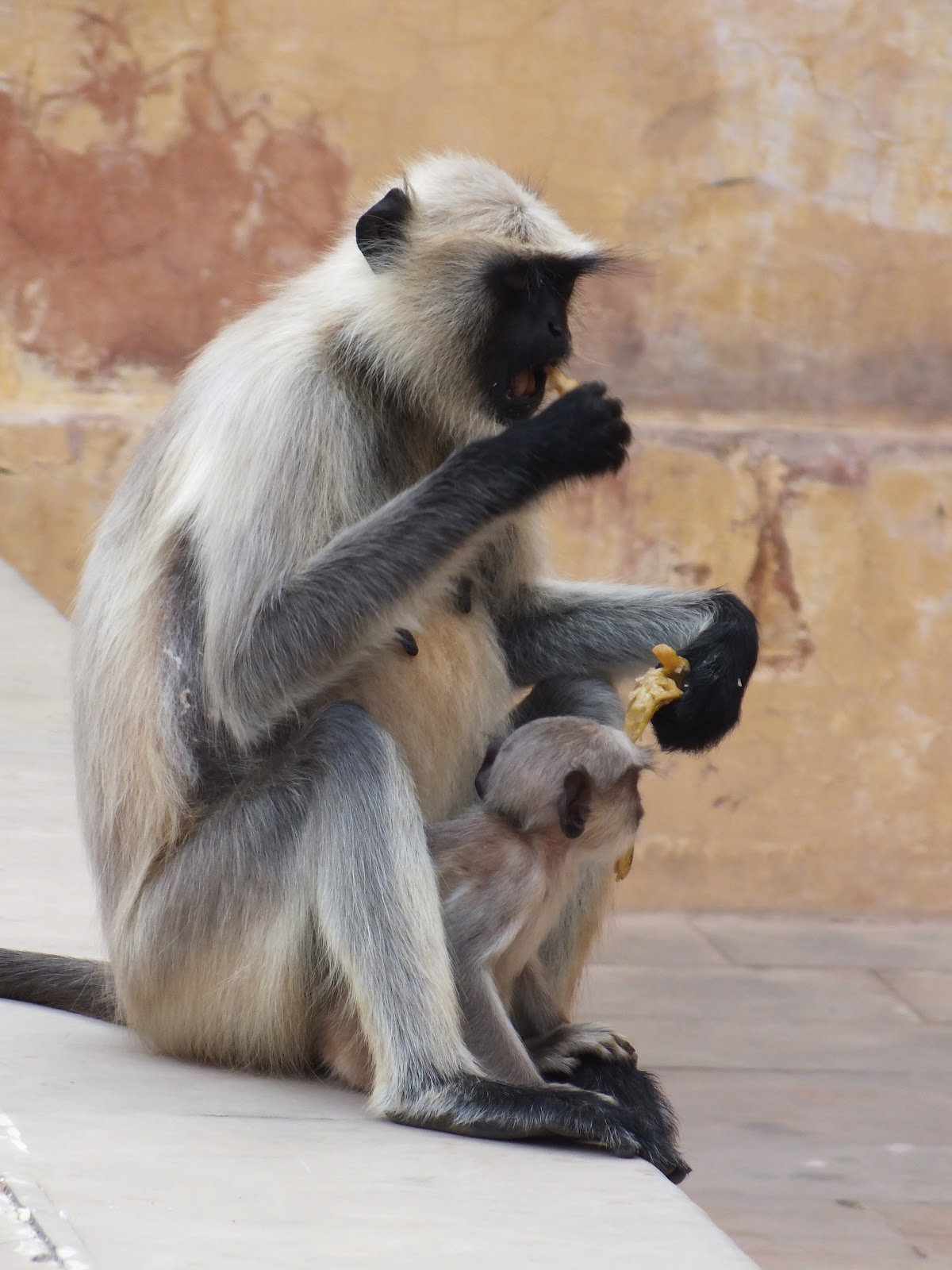
We will leave you with this cheeky pair eating a banana. While they may look cute, the monkeys here can be a real nuisance and are one of the main carriers of rabies. They will try and take food and anything that looks of interest to them.


Monday, 11 June 2012

Delhi to Amritsar...A holiday from the truck


Regardless of how hard I try, it is very difficult for me to find many positive things to say about this past week.

After the first misfortune of not being granted a Pakistan visa, we have found ourselves in India a week ahead of schedule, and having to create a travel plan to wile away the days until the truck catches us up. For the purpose of this entry there are five main members of the group that travelled together; myself, Vicky, Tim, Chris and Jay.

We arrived tired and sleep withdrawn in Delhi International Airport at 3.30am local time, where the temperature was still a smothering 31C. The first priority for us was simple; rest! Our journey had taken us from the truck in Yazd (Iran), to Tehran where we had spent one day, before a flight to Abu Dhabi airport (35C at midnight when we had arrived) where we had a 2 hour 45 minute wait before our next flight to Delhi. We simply were knackered!

We arrived at a hotel around 5.30am, which we booked for only a few hours as we already had an overnight bus to Shimla booked for 8pm the same day. We managed to sneak in around 2 hours sleep between meals, along with a quick walk down to India Gate, before we made our way to the bus station. The temperate on this day made it up to 44C. We boarded the bus and were pleasantly surprised to find a well decked out sleeper bus, although later while trying to actually sleep I discovered that it was built well for people of around 5’8” and under!

India Gate Memorial

Our arrival time at Shimla was around 6am local time, and here the temperature was pleasantly cooler. For those of you who don’t know, Shimla is in the foothills of the Himalayan region of India and was used as the capital of the country for 6 months of the year by the British Government while they ruled here. During the summer months when the temperature down on the plains became increasingly unpleasant, the Government would move their entire office system by a cattle train to Shimla to work in a more pleasant climate, before reversing the whole operation again 6 months later.

Naturally, from the above description you will guess that Shimla is built on the sides off a number of steep hills, and the bus (no surprise) only drives to the bottom! After 45 minutes of lugging our heavy main bags (normally stowed away on the truck) on top of our normal bags we made it to our hotel located on “The Mall” near the top of the hill. Unfortunately the hotel informed us that they were not ready to let us in to the hotel for another 6 hours! With nowhere to go, and nothing open, we slumped with our bags on the chairs outside the entrance to the hotel. After an hour or so, we think the people who run the hotel realised that we weren’t going to go away, and that we were going to sit there the whole time. They then found it in their hearts to invite us in and gave us two of the rooms that “weren’t available” (in other words they realised that bribes were not coming their way, and that we were just in the way)!

Several hours later however, things took a turn for the worse. Chris complained of feeling unwell, and within a short time he was struck down with a terrible sickness bug. After it was clear that he was quite unwell, Tim decided to help him get some medical attention. By the time Tim came back, he also had been struck by the same bug. 2 hours later…Vicky. Another hour later…me. Within a few hours of me being struck down, dehydrated and exhausted, I could not go on and collapsed. It was more intense than I could have imagined, and no matter how hard I tried I could not get any replacement fluids to stay in my body.

From this point my memories are blurry and few. I remember the ambulance pulling up, I remember being taken out of the ambulance, and I remember the pain of the needles being placed into my arms. But is was to be another 4 hours before I woke up to find myself laying on a metal trolley for a bed, with a drip in my left arm. Vicky, as it turned out had come in the ambulance with me, but then been admitted herself after throwing up all over the reception area.

A big thanks at this point goes to Jay, who had travelled with Vicky and I in the ambulance, and in turn looking after us with the nurses all night in the hospital.

After being released from the hospital mid-morning the next day, we tried to rest and repair ourselves before a long bus trip to Mandi the next morning. On arrival in Mandi we checked in to the Raj Mahal hotel which is the nicest hotel we have stayed in to date. During the checking in process, the Raj (or King as we would say) of the Mandi region decided he would like our company over dinner. He was a very witty and clever man with a soft spot for logic puzzles. It was just what I needed at the time as a distraction, as I had only 30 minutes earlier learned about the sad death of my Grandmother back in the UK.

We stayed only the one night in Mandi, but in the morning before we had to check out we made our way to Lake Rewalsar, which is known as the Lake of Sacred Fish. The lake is crammed with fish, all fighting for food being thrown in by the locals, which is a sight to behold! The lake has a number of temples around it, including a huge Buddhist temple on the far bank.

Looking across Lake Rewalsar

From Mandi we caught a bus out to Manali, which is in the foothills of the Himalaya’s. With the exception of a restaurant and the temple right at the top of the old part of the town, we didn’t really go anywhere as we were still trying to heal our bodies back to normality.

Us looking tired and under the weather with the Himalaya's in the background

After 3 nights in Manali, our next bus ride took us to Pallumpur. There was not a lot to see in Pallumpur, although this was a blessing as neither of us had recovered enough to go anywhere. After spending 2 nights there (during which we had numerous power cuts, which are a daily occurrence in India), we decided to catch the railway back to Amritsar where we would reunite with the rest of the group.

The railways were certainly an experience! We decided to use the narrow gauge service between Pallumpur and Pathankot, and the train was absolutely jammed with people. I managed to get a seat after around 45 mins, but once I had sat down I was literally not even able to move my legs for another 5 hours as there were people sleeping on the floor right in front of the seats. There were numerous people hanging on to the outside of the train as there was no room inside, even when we were crossing bridges with a 20 – 30 foot drop below us!

From Pathankot we caught the broad gauge service to Amritsar, but decided after our earlier journey to upgrade to the air conditioned sleeper class. This journey was only 2 hours for us, but it was so good to be able to stretch out in space while being a lot cooler as well.

We camped in the garden of the Mrs Bhandari Guest House in Amritsar once we were reunited with the group, and having a swimming pool there gave everybody a bit of a lift. Unfortunately, during our third day there Vicky was struggling a lot again with a bad stomach, and so another 12 hour stay in hospital was on the cards for her. I did get to see the Golden Temple from the outside, but unfortunately again our ill health put pay to our plans to actually visit it properly.

So that is the story of our time away from the truck, hopefully the next blog entry won’t be so focused on us being ill again!

Sunday, 3 June 2012

Iran


We had heard a few nightmare stories about crossing the Iran border, but our entry into the next country on the agenda was smoother than expected, which is always a welcome surprise. With all items that could be considered offensive (including playing cards and 3 book covers that showed a female with bare shoulders!) having been removed from the truck, and all alcohol drunk before we left Turkey, a 3 hour wait for our passports to be processed was all that stood in our way in the end.

A lot of the Western world has a preconception of Iran that seems to be out dated by around 30 years. Whilst the country is still a long way from having what you and I would consider to be a modern western society, the revolution that has been active here for the last few decades has begun to make the country more liberal, and has slowly started to redress the equality balance between men and women.


The first thing that struck us as we stopped in the city of Tabriz is just how westernised the city centre and shop fronts are, especially having travelled through a few hours of desert land to get there. The city centre is made up of 2 lanes of traffic travelling in each direction, with neon lit shop fronts and restaurants lining either side of the street.

Mentioning restaurants leads me to the largest problem that I have encountered so far on this trip. Whilst the Iranians have a literal translation of the word “vegetarian”, it has quite a different meaning over here. Rather than suggesting that a person does not eat meat, it suggests that they would like a more vegetables than normal with their meat! It certainly is a minefield here for vegetarians as the Iranians will try to put meat in anything!

The Iranian people are certainly among the friendliest you will come across, and wherever we park the bus we attract a whole host of attention. When we arrived in the town of Ahar we were greeted by a whole host of adults and children all wanting to speak to us and shake our hands. As we walked through the streets trying to find something to buy our lunch the crowds followed us in and out of the shops asking us a chorus of questions and offering us some of their ice cream. While Vicky and several of the other girls were whisked away into somebody’s house to use their toilet (a visit that lasted nearly an hour as they were given tea and watermelon while the lady showed them her wedding albums) I was busy becoming a celebrity in the local ice cream shop. While trying simply to buy an ice cream, the owner of the shop insisted that he should take photos of me to put up on the wall in his shop. During the time that he had his photo taken sitting next to me, a small queue had gathered and each person in the line came in turn to sit next to me and have a picture taken. Eventually I was allowed to buy the ice cream I had come in for some 20 minutes previous, which set me back a total of 5000 Iranian Rial (or a whopping 25p to you and I!).

Spot me among the locals!

The currency here is certainly a confusing issue. At the time of writing there is around 20,000 Rials to one UK pound. However most things in the country are priced in “Toman”, which is a slang word that means a group of 10 Rials, in the same way we say a “tenner” at home. Therefore if a shopkeeper tells you your shopping costs 8,000, you must actually give him 80,000. Some traders also have a tendency to refuse payment when you hand over the money, and will say something along the lines of “you are my guest…for you it is free”. Fortunately the guide book gave us prior warning that this does not mean that they do not expect money, but you may have to offer up to 3 times before they will accept it. If you say thank you and leave without paying you could cause great offence!

The truck is not only popular with the local people, but also with the police as well. Throughout the country there are a lot of checkpoints where vehicles are “randomly” pulled over for paperwork or vehicle weight inspections. However when you travel in a bright orange truck, you tend to find yourself being pulled over at most checkpoints largely just so that the police can have  good look at the truck to satisfy their curiosity. We have on one occasion required the polices attention for other reasons, as a driver whose wife was trying to photo the truck while he was driving took his attention off the road and drove in to the side of the truck. We did not even feel a thing inside, but the damage to the side of his car was the outcome of the error of his ways. After a prolonged stop the police concluded we were not to blame, but did slip in a small fine for “fleeing the scene of an accident” as we had stopped around the corner from where the crash had actually occurred!

It is a surprise that accidents are not more common on the streets in Iran, as there is an equal mix of cars to motorbikes with very few (and not well enforced) rules that govern their usage. The concept of lanes is minimal, and even when you are inside a covered building you can still frequently have to get out of the way of a stray motorcyclist! At night time it is not compulsory to switch on your headlights either making the game of Russian roulette even more difficult. The one thing you quickly learn is that you will never be able to predict what any driver is going to do next in Iran!

Traffic approaching from 3 different directions complete with a pedestrian in the middle. Note although  that you can see traffic lights they all just flash orange to say "take care"

The night after the accident occurred, we camped on a very high hillside overlooking the Azerbaijan border. At the time that we arrived the weather was very pleasant, but as the evening progressed a huge storm rolled in with driving rain and extremely strong winds that nearly ripped the rain canopy off of the side of the truck. Having seen one of the tents be defeated by the wind, we hammered a few extra pegs into ours and climbed in to offer it some extra weight. Within an hour the storm had passed and thankfully the tent was still standing!

The next town that we made a stop at was Masoulah where we stayed for 2 nights. The town is of a curious design with the shops and restaurants being stacked in a shelf like design so that you have to climb stairs between each street. The town is fairly small, and so it acted as a bit of a rest for us from exploring the much larger towns and cities.

The tiered layout of Masoulah

From Masoulah, we spent one night camping in the wild again before heading on to Esfahan which is billed by the locals as the “city of half of the world”. It was given this nickname a few hundred years ago, as it was considered to have many of the greatest looking buildings in the world, but the nickname has stuck to this day. Esfahan is an incredible city full of life and colour, and once again we found that everybody was keen to take the time to stop and talk to us. Saied the owner of one of the local carpet shops is a good friend of the tour leader Polly and the driver Adam as they have visited him before. He was extremely hospitable to us during the 3 days that we were there, and gave us countless numbers of cups of tea as well as help and advice in and around the city. We got to know him and his family fairly well, and he made us feel as if we were part of that family also. By the end of our stay there he had made a number of carpet sales to members of our group, including ourselves, and so hopefully his kindness was repaid in the right way.

Some of the group in Saied's carpet shop with Saied in the back middle

As well as Saied, we also met a number of locals that we had a prolonged conversation with. One kind man who came to fix our hotel light when it was not working invited myself, Vicky and our friend Janet to dinner at his house the next night. We had a fantastic night with lots of interesting conversation, as well as eating far too much food!


Janet, Vicky and I at the electrician's house with his Son in Law.

On one occasion 2 of the local girls latched on to me as a group of us were walking down the road, and they seemed very happy to have found somebody to talk to. After a while they began to compliment me on how beautiful I looked, including that I had a very beautiful nose (probably the strangest compliment I have ever received!). When I explained to them that I was married they seemed a little taken aback, but then invited myself and Vicky (who I had introduced them to at this stage) to go back to their house for tea none the less. Unfortunately we did not have time to go, but we had an interesting conversation in the city square instead. It is considered strange by people for an Iranian girl to approach a man in public, but the fact that it has happened a few times to me has shown that the country is on the way to developing a more equal society.


Me with the 2 girls, joined by Emily and Chris

One very good feature of all of the towns and cities across Iran is the presence of charity boxes that line the sides of all roads, and they appear at a rate of one every 100 yards or so. The hands at the side of the boxes represent a “request for your help”, and all of the money that is donated in the boxes is used by the government to assist elderly and disabled people, along with any families that have lost the mother and / or father of a young child. In the Muslim religion giving to others (especially through charity) is especially important, and so the boxes are very frequently used.


One of the charity boxes that line the streets of Iran

While in Esfahan we checked out some of the most popular buildings of interest, including the “40 Column Palace” (which only has 20 columns but they are reflected in the water in front of the building to make 40), the Imam Mosque and the Ali Qapu Palace.

The “40 Column Palace” was completed in the mid 17th Century and was used as a reception hall. On the walls in the main rooms of the building are 6 pictures; 3 of famous battles in Iranian history and 3 of gatherings between Iranian kings those of other countries. This was done to show that war and peace are equally important to people in the history of the country.

Vicky and Walter the Bear in front of the 40 Column Palace

The Imam Mosque is the most spectacular mosque in Esfahan, and is used mainly for Friday prayers (Friday of course being the day of rest in Muslim countries and not Sunday as in Christianity). The dome of the building was built very precisely with a twin layer to engineer the best acoustics possible for the call to prayer. When clicking your fingers underneath the middle of the dome you are able to hear the echo 7 or 8 times before it fades away. The dual layer of the dome also keeps the adhesive dry that holds on all of the mosaic style tiles inside, meaning that the roof will be there for all to enjoy for many years with minimal restoration required.


Some of the gang underneath the dome

Next on our tour of the country was Yazd, which is more or less smack bang in the middle of the country. Unfortunately we did not get more than a few hours in Yazd, as this was the point at which we had to split from the group to avoid going through Pakistan, but we did have a chance to get a small tour of the city and take in some of the best seen sights.

Finally we flew from Yazd to Tehran where we were to catch our flight to Delhi the next day. Tehran is the capital of Iran, and as you would expect the city is extremely busy. All of the toads have been a bit crazy in Iran, but crossing the road here is a logistical nightmare, with up to 6 lanes of traffic (not all necessarily going in the direction that they should be) that does not stop. You simply have to step out into the road and trust that the traffic will go around you, at times engineering some space for yourself between 2 moving cars. Whilst “crossing points” do exist the traffic does not stop for them rendering them completely meaningless!

The city itself is huge with a population of around 15 million people, and stretches out as far as you can see as you land in the plane. We have had time to visit both the city’s palace museum, which is as grand as you will ever see, as well as the national jewel museum which is the equivalent of London’s Crown Jewels. Between these 2 attractions it is clear to see where so much of the country’s money had been invested in the last few hundred years.
In conclusion, Iran has been a very special place for us to visit. 


We have felt completely at home, and there has not even been a sign of any danger and hostility that people at home were worried about. As far as I am concerned it will be tough to find another country that is as welcoming, and with such a desire to be appreciated as this one. I would urge more people to come here and visit the country before they judge it, but at the same time I recognise that flooding the country with tourists could spoil some of the things that we hold most dear about it.

Iran, you will be missed. India, here we come :)